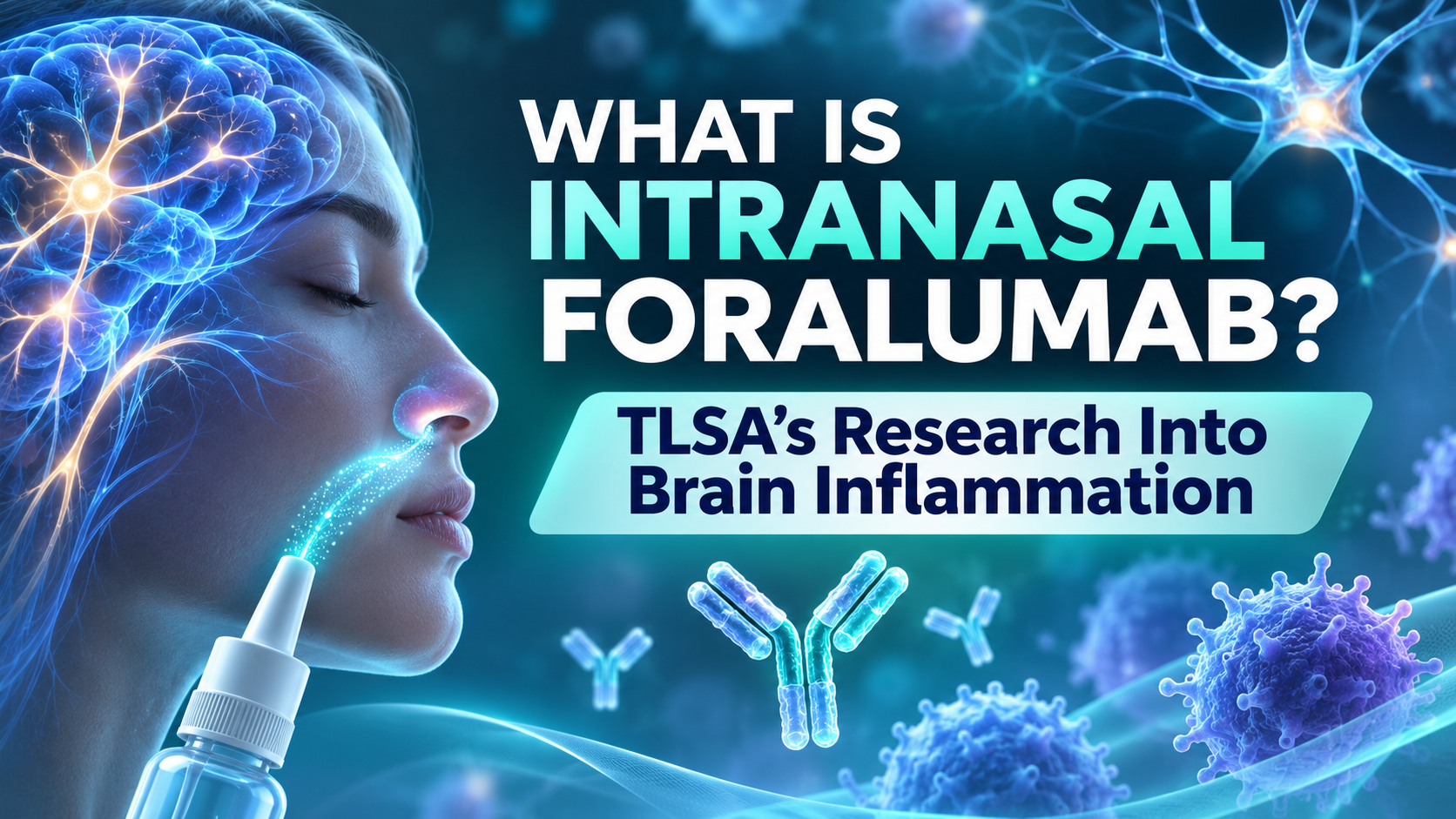
Positive Phase 2a Result
The Phase 21 results are encouraging long-term patient data, and a major international biotechnology conference create a pivotal moment for Tiziana Life Sciences.
Sponsored Investor Awareness
Something important is happening at Tiziana Life Sciences (NASDAQ: TLSA) — and the latest developments could represent a turning point in the company’s clinical research story.
In a remarkable stretch of just eight days, Tiziana has reported positive results from a controlled multiple sclerosis trial, presented additional evidence supporting its experimental nasal therapy, and brought its clinical program to one of Europe’s leading biotechnology partnering conferences.
For a clinical-stage biotechnology company, the timing is significant.
Tiziana now has positive Phase 2a data, encouraging longer-term patient observations, and a potentially important opportunity to engage pharmaceutical partners.
The company at the center of these developments is investigating something unusual: whether a monoclonal antibody delivered through the nose can help regulate immune activity associated with inflammation in the brain.
And the newest findings are giving investors and researchers considerably more to examine.
The Breakthrough: Both Primary Endpoints Achieved
On November 2, Tiziana announced positive topline results from its Phase 2a INFORM-MS clinical trial evaluating intranasal foralumab in patients with non-active secondary progressive multiple sclerosis (na-SPMS).
This is a particularly challenging form of multiple sclerosis in which patients can experience worsening neurological disability without the obvious relapses associated with more inflammatory forms of the disease.
The randomized, double-blind, placebo-controlled study enrolled 48 patients and evaluated two doses of foralumab over 12 weeks.
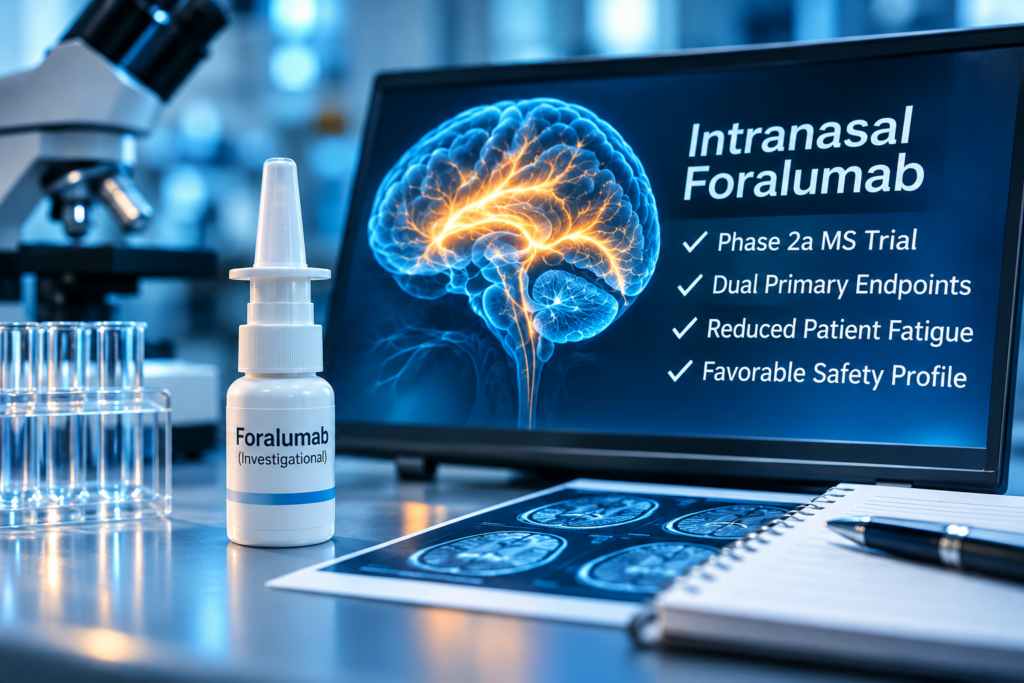
The company reported that the trial met both primary endpoints.
Most notably, patients receiving the 50-microgram dose experienced a statistically significant reduction in microglial activation, measured through advanced TSPO-PET brain imaging, compared with placebo.
The reported p-value was 0.0168.
Why does that matter?
Microglia are immune-related cells in the central nervous system. Their activation is associated with inflammatory processes that researchers believe may contribute to neurological damage.
The imaging result provides controlled clinical evidence that foralumab can affect a measurable biological marker associated with neuroinflammation.
Both doses also met the trial’s safety and tolerability endpoint, although the higher dose did not achieve the same statistically significant imaging result.
For Tiziana, this represents a meaningful step beyond the small, uncontrolled studies that originally generated interest in its treatment approach.
Another Encouraging Signal: Improvements in Patient Fatigue
The brain-imaging results weren’t the only development attracting attention.
Tiziana also reported improvements in fatigue, one of the most disruptive symptoms experienced by patients with progressive MS.
Measured using the Modified Fatigue Impact Scale, patients receiving the 50-microgram dose improved by an average of 6.17 points from baseline.
Those receiving the 100-microgram dose improved by 7.18 points.
The placebo group improved by 3.12 points, a change that was not statistically significant from baseline.
Both foralumab groups demonstrated statistically significant within-group improvements after only 12 weeks.
These findings are encouraging because they suggest the biological changes observed through imaging may be accompanied by improvements in symptoms patients experience in everyday life.
However, the fatigue analysis was not powered to establish a statistically significant treatment benefit versus placebo. Larger trials will be needed to determine whether these improvements can be reliably attributed to foralumab.
November 9: New Data Strengthens the Clinical Narrative
Today’s developments add another dimension to the story.
During a Key Opinion Leader investor call, researchers including Dr. Tanuja Chitnis, Dr. Tarun Singhal, and Dr. Howard Weiner reviewed the Phase 2a findings alongside observations from Tiziana’s ongoing expanded access program.
That program now includes 14 patients, with some having received foralumab for up to three years.
The company reports encouraging trends in disability stabilization, fatigue improvement, and longer-term tolerability.
One particularly noteworthy finding involves the body’s immune response to the investigational antibody.
Tiziana reported that no anti-drug antibodies were detected in the serum samples evaluated, including samples collected after extended treatment.
This is an encouraging observation because immune responses against therapeutic antibodies can affect their effectiveness or tolerability.
The absence of detected anti-drug antibodies in these samples does not guarantee that immunogenicity will remain absent in larger studies, but it adds to the developing safety picture.
Taken together, the new observations reinforce the company’s view that foralumab deserves continued investigation as a potential treatment for progressive neurological disease.
The Next Catalyst: Tiziana Takes Its Data to BIO-Europe
Perhaps the most interesting aspect of this week’s developments is what happens next.
Tiziana is participating in BIO-Europe 2026 in Cologne, Germany, November 9–11, where CEO Ivor Elrifi is scheduled to present the company on November 10.
BIO-Europe brings biotechnology companies together with pharmaceutical organizations, investors, and potential strategic collaborators.
Tiziana says its management and business development teams are using the event to advance discussions surrounding intranasal foralumab and the company’s broader neurological pipeline.
That pipeline includes research involving Alzheimer’s disease, multiple system atrophy, and ALS.
The potential strategic significance is straightforward.
Positive clinical results can provide stronger evidence for conversations with prospective partners, particularly when a company is developing a treatment approach that may have applications across multiple neurological conditions.
No new partnership or licensing transaction has been announced, and discussions may not result in an agreement. Nevertheless, the timing gives Tiziana an opportunity to present its newest clinical evidence to the international biopharmaceutical community.
Why This Moment Matters for TLSA Investors
Our earlier report on intranasal foralumab explored the scientific rationale behind Tiziana’s approach to brain inflammation.
The story has now advanced.
Instead of relying solely on preliminary observations and scientific theory, Tiziana can point to a positive placebo-controlled Phase 2a trial, additional long-term patient observations, and ongoing discussions with potential pharmaceutical collaborators.
The next steps will be critical: further clinical analysis, regulatory discussions, larger trials, and sufficient financing to support continued development.
Foralumab remains investigational. It has not received FDA approval, and its ability to produce lasting clinical benefits has not been established.
But the central development is unmistakable.
Tiziana Life Sciences has moved its intranasal foralumab program into a new stage of clinical validation — just as it steps onto the international biotechnology stage.
For investors watching emerging biotechnology companies, NASDAQ: TLSA is a company worth following as its next clinical and strategic milestones unfold.
PAID ADVERTORIAL — COMPENSATION DISCLOSURE
Small Cap Exclusive is owned and operated by King Tide Media, LLC. Tiziana Life Sciences, Ltd. is the paying party for this investor-awareness campaign relating to Tiziana Life Sciences (NASDAQ: TLSA). King Tide Media, LLC may receive compensation of up to $37,500 in connection with this campaign, which commenced October 30, 2026. This article is paid advertising, not independent investment research. Investing in biotechnology securities involves substantial risk, including the potential loss of principal. Read the publisher’s full disclosure and disclaimer before making investment decisions.